Uniform air drying
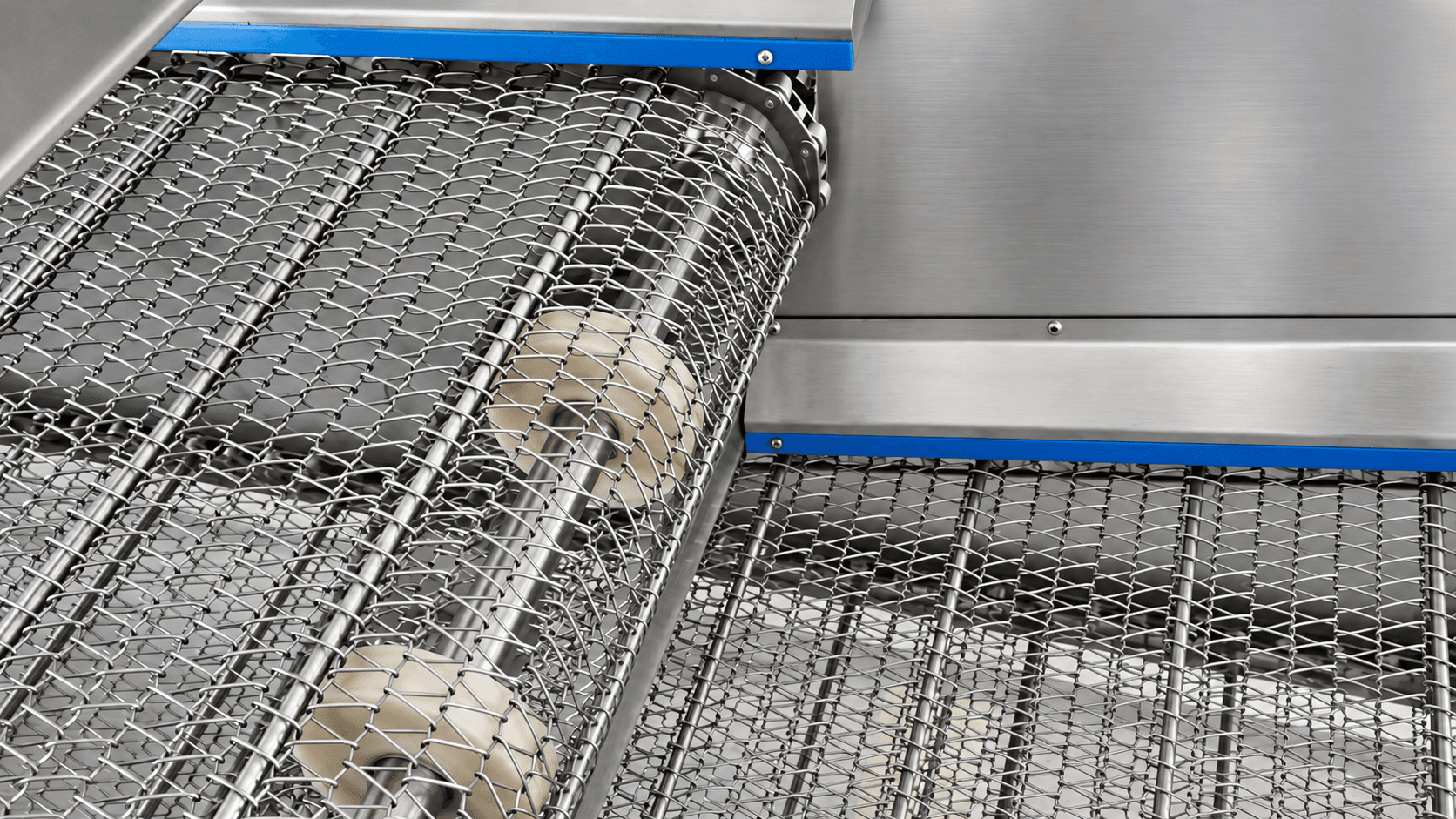
Turnover conveying continuously changes the exposed surface so high-velocity airflow reaches different sides and removes surface water more evenly.

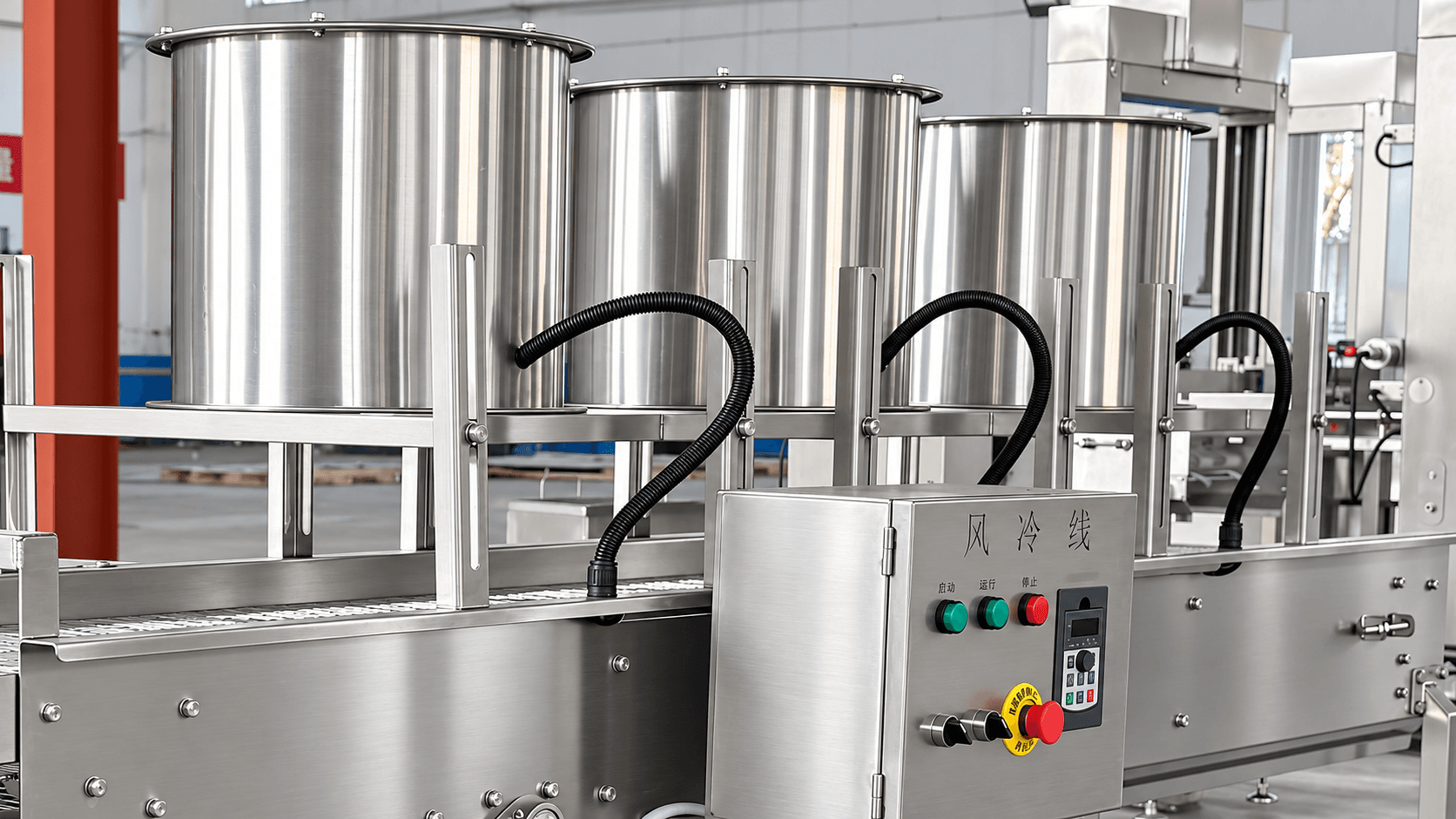

Equipment for washing, grading, thawing, blanching, pasteurizing, cooling, dewatering and drying.
Multiple high-velocity air streams and continuous turnover expose different surfaces to airflow for rapid removal of residual water from products or packages.
Turnover conveying continuously changes the exposed surface so high-velocity airflow reaches different sides and removes surface water more evenly.
Multiple fans blow continuously along the conveying direction to quickly carry residual droplets away from products or packages.
Feeding, turnover air drying and discharge run continuously, while conveying speed can be adjusted around product condition and the required result.
The discharge can connect with coding, cartoning or packing equipment to reduce manual transfer and form a continuous production line.
Continuous turnover changes the exposed surface while multiple high-velocity air streams blow away surface droplets.
The conveying system moves products or packages evenly through the air-drying zone, maintaining a stable processing rhythm and airflow exposure time.
The turnover structure repeatedly changes product orientation so the top, bottom and sides face the airflow in sequence, reducing water-removal blind spots.
Multiple fans generate a continuous high-velocity airflow whose impact force blows attached droplets away from the product surface.
After surface water removal, the conveying system discharges products continuously and maintains connection with coding, cartoning or packing processes.
Use product form, surface-water load, target removal result and throughput to define fan quantity, effective air-drying length and conveyor speed.
Design the conveying structure and handling method around the fruit or vegetable form, packaging format, dimensions and weight.
Determine the number and arrangement of fans from the incoming surface-water load and the required air-drying result.
Match machine width, effective air-drying length and conveying speed to the required hourly throughput.
Plan equipment interfaces and the complete line layout around the upstream discharge height and downstream connection requirements.
Share the product, target output, incoming and outgoing condition, and factory dimensions. We will help define the machine and line connections.